Barbershop Opera Theater Rock. Sure, Why Not?
Some months settle into a rhythm. This one kept changing the radio station mid-song.
Within a matter of weeks, I went from photographing a fully staged musical, to an opera performance ten floors above downtown, to a hard rock show packed into a barbershop in Etna. Same camera. Same me pressing the shutter button. Three completely different environments, and three wildly different musical styles.
That contrast is the story of my life.
When you photograph a musical, everything is basically built in. The lighting is intentional, the blocking is rehearsed, and every cue is designed to land exactly where it should. Your job becomes anticipation. You wait for the moment you know is coming and position yourself where you know the shot will be, and then you grab the shot. It is precision work.
Then you step into an opera setting inside an architecturally stunning building, and the challenge shifts. It’s still staged and purposefully lit, but instead of the brightly colored sets and confetti cannon cues, you get a very refined performance that emphasizes the singing over the production.
And then…there is the barbershop.
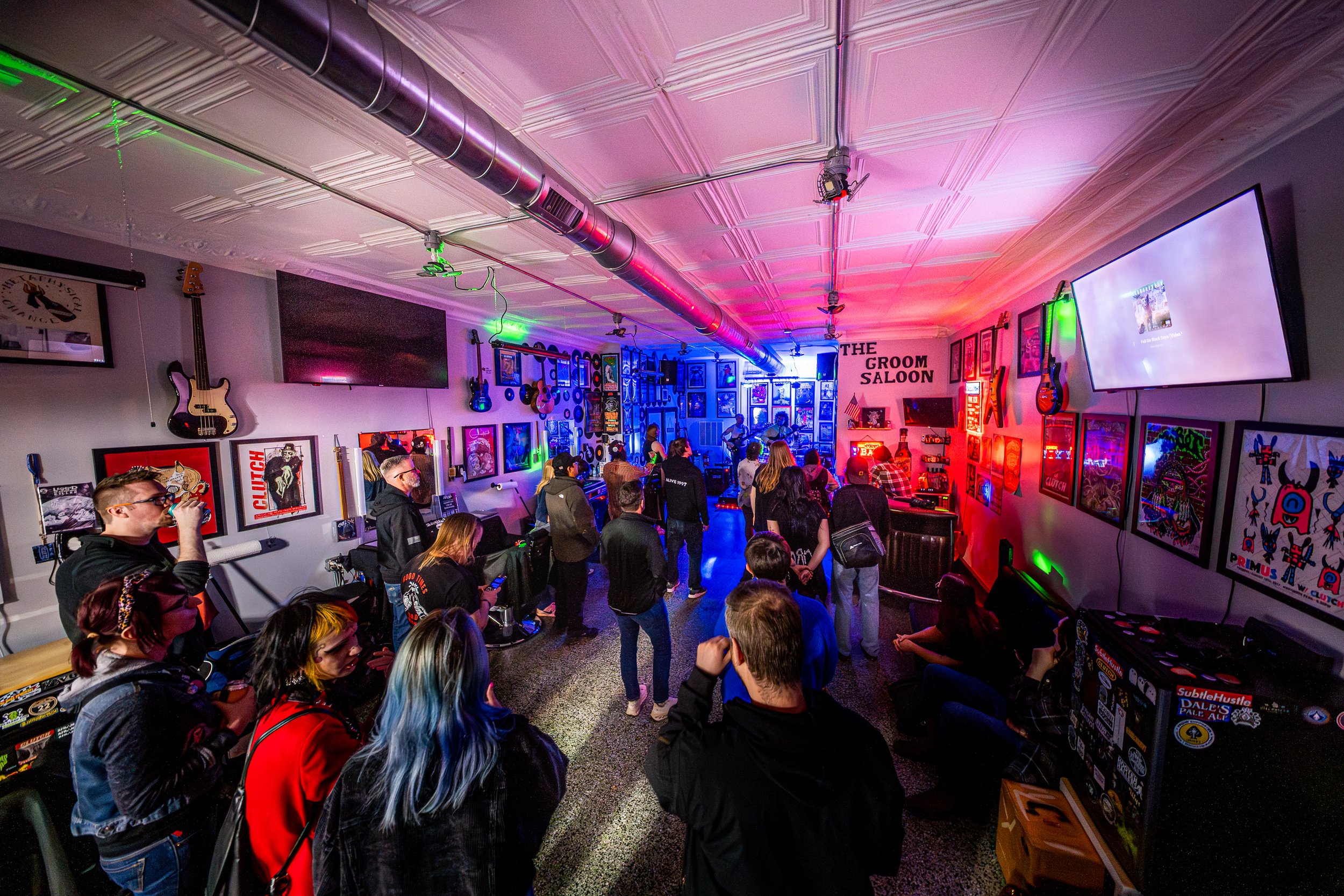
Ernie B’s Rock and Roll Barbershop is exactly what it sounds like, and somehow even more than that. The entire space is an homage to hard rock and haircuts. Guitars line the walls like a permanent backline. Concert posters stack up into a visual history lesson of bands like Clutch and Crobot. There is always something like Zakk Sabbath playing in the background—not as filler, but as part of the shop’s identity. There’s even a small stage in the back. Get a haircut and a straight razor shave and hang around for the show, all in one place.
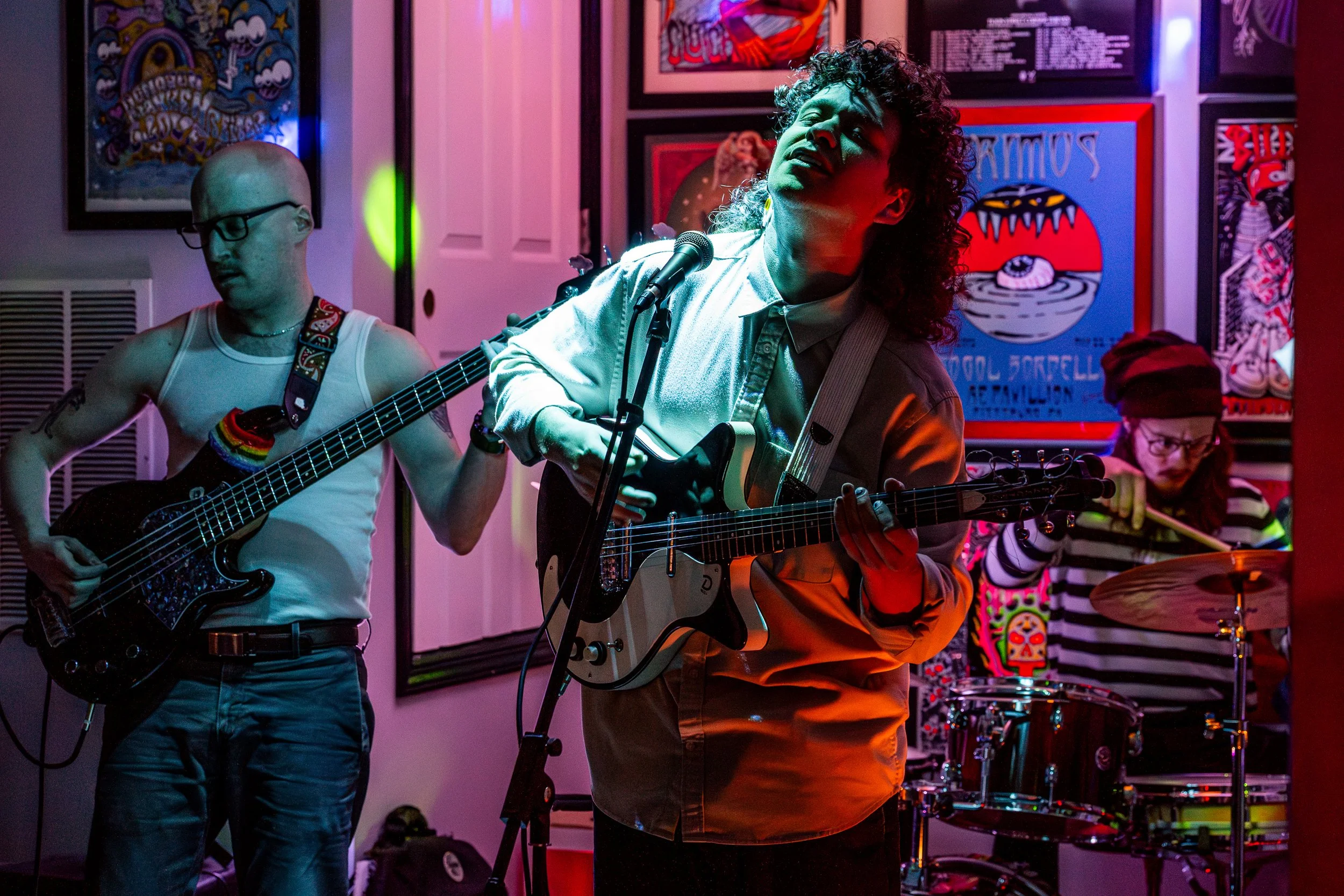
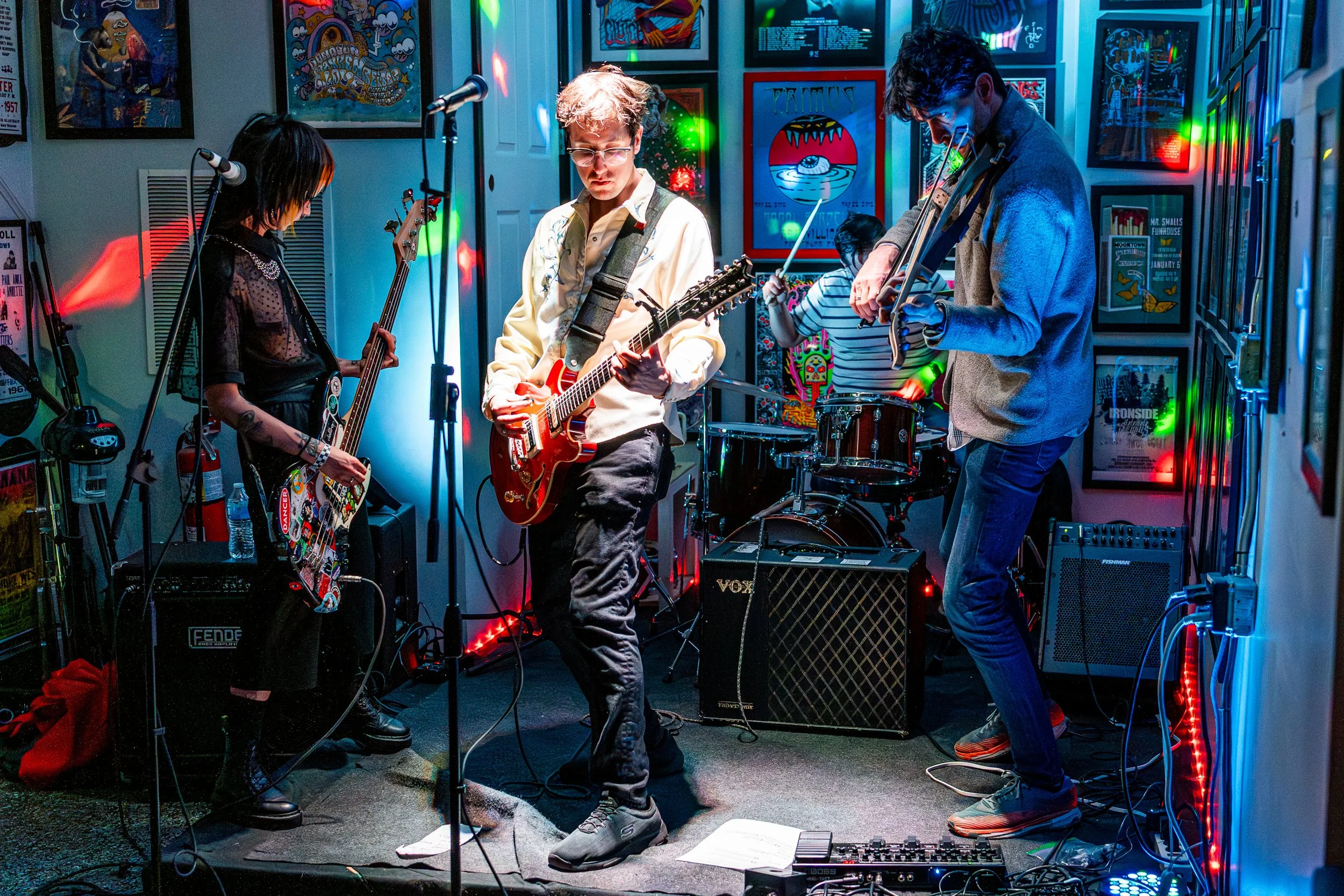
Let me tell you something about a rock show in a place like that. If you think you can anticipate what’s coming next like you can with a musical, you’re in the wrong place, buddy. Photography of a show like that is pure reaction. You’re on your toes the whole time.
And on top of the show itself, the challenges of shooting in a barbershop are a real concern, too. All the mirrors and glass-framed posters force you to be hyper-aware of reflections. Then you put several dozen people inside, and you have a very limited selection of places to shoot from.
The lighting pushes back, too. When you’re there during the day, the overhead lights fill the space with the bright light you expect in a place like that. But during a show, the single-bar lighting system highlights the stage area and shifts just enough to keep you moving. One second, you have separation. The next, everything flattens out, and you are rebuilding the shot. There is no locking in settings and coasting. You are adjusting constantly, because if you hesitate, the moment is already gone.
The lineup that night only amplified that energy. Four bands, back-to-back, each bringing their own flavor into a room that was already buzzing.
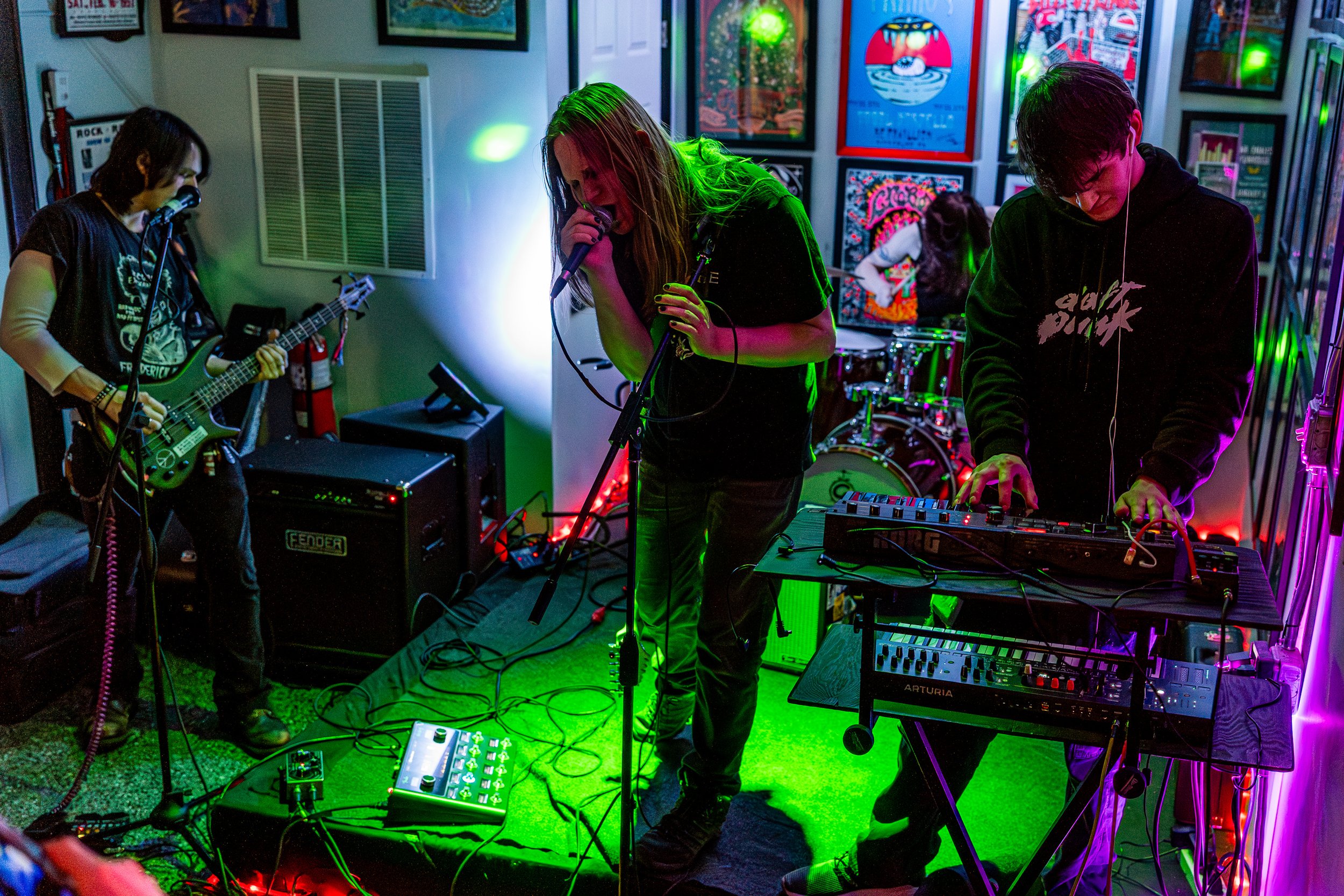
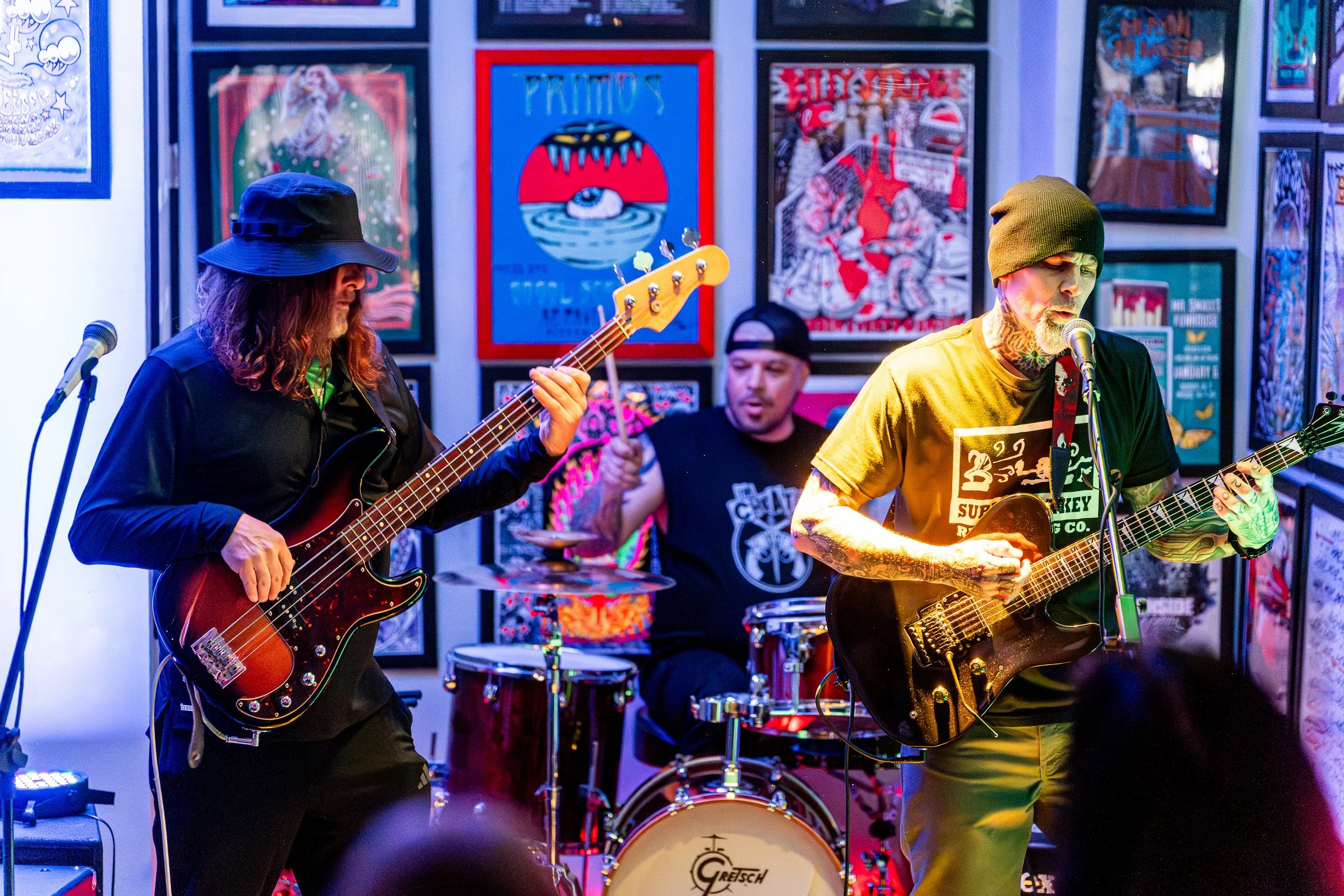
This is the kind of stuff that makes months like this so interesting.
It is easy to think of photography as a consistent process with the same approach every time, just with different subjects—you know, a sort of “dial it in once and repeat” process. But that only works when the environment and subjects also stay consistent, and most of the time, they absolutely do not. Each of these shoots demanded a completely different mindset, not just technically, but creatively.
This is the part that often gets overlooked when people think about what goes into hiring someone to document an event. It is not just about showing up with a camera. It is also very much about the ability to read a room instantly and adjust without hesitation. To understand what kind of story the space is going to tell before it even starts telling it. A photographer’s job is to make it feel like it was designed that way all along.
Next up, the dial turns again. I’ll be working with the East Winds Symphonic Band for their Three Rivers Community Band Festival. Different sound, different structure, different kind of energy to chase. Another room to read, another set of rules to learn, and another reminder that no two performances ever ask for the same approach twice.
I wouldn’t have it any other way.